
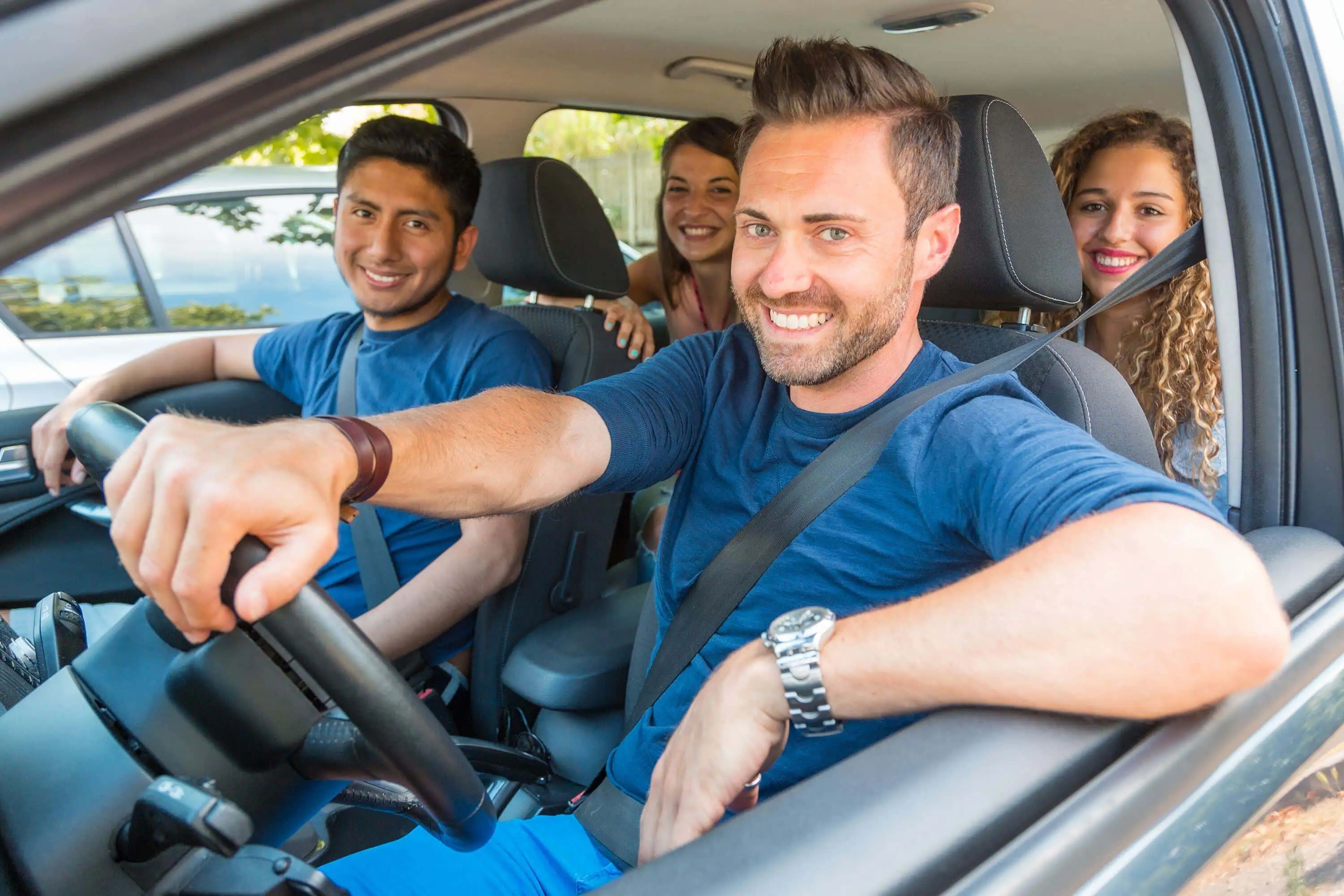
Passenger vehicle insurance is one of the most important and necessary coverages, as it protects both the driver and passengers as well as third parties from possible accidents or damages. According to the law, basic civil liability is mandatory for every vehicle in circulation, at least in third-party liability, i.e. coverage for damages that you may cause to other vehicles, property or bodily injury. However, there are also many optional coverages that enhance protection and offer greater confidence to the driver.
What does passenger vehicle insurance cover?
Basic coverages (mandatory):
-
Third-party liability for bodily injury.
-
Third-party liability for material damage.
Optional coverages (enhanced):
-
Roadside assistance and towing.
-
Legal protection.
-
Glass breakage.
-
Coverage of fire and natural phenomena (hail, flood, earthquake).
-
Total or partial theft of a vehicle.
-
Own damage (combined insurance).
Specialized coverages (for increased protection):
- Insurance of personal belongings inside the vehicle.
- Coverage for terrorist acts or malicious damage.
- Provision of vehicle replacement in the event of an accident.
Factors affecting the cost
The cost of passenger vehicle insurance depends on various factors, such as:
- The type and commercial value of the vehicle.
- The engine displacement and horsepower.
- The age and driving experience of the owner.
- The area of residence and circulation of the vehicle.
- The driver's damage/accident history.
- Coverages and exemptions selected.
What is needed for insurance
In order to proceed with the insurance process, the following are usually required:
- Vehicle registration license.
- Driver's license of the owner/driver.
- Police ID or passport.
- Vehicle tax number of the owner.
- Recent photos of the vehicle (in some cases).
Useful remarks
- It is important to carefully compare the available insurance packages, as prices differ and the benefits are not the same.
- The option of roadside assistance is particularly useful, as it offers immediate service in the event of a breakdown or accident.
- Mixed coverage insurance (own damage) is recommended for vehicles of greater value or new cars.
- Consistency in payments and avoiding accidents contributes to future discounts on premiums (bonus-malus).
We cooperate with the most reliable insurance companies in the Greek and international markets and after examining the needs of our customers, we provide advantageous solutions and proposals that satisfy them.
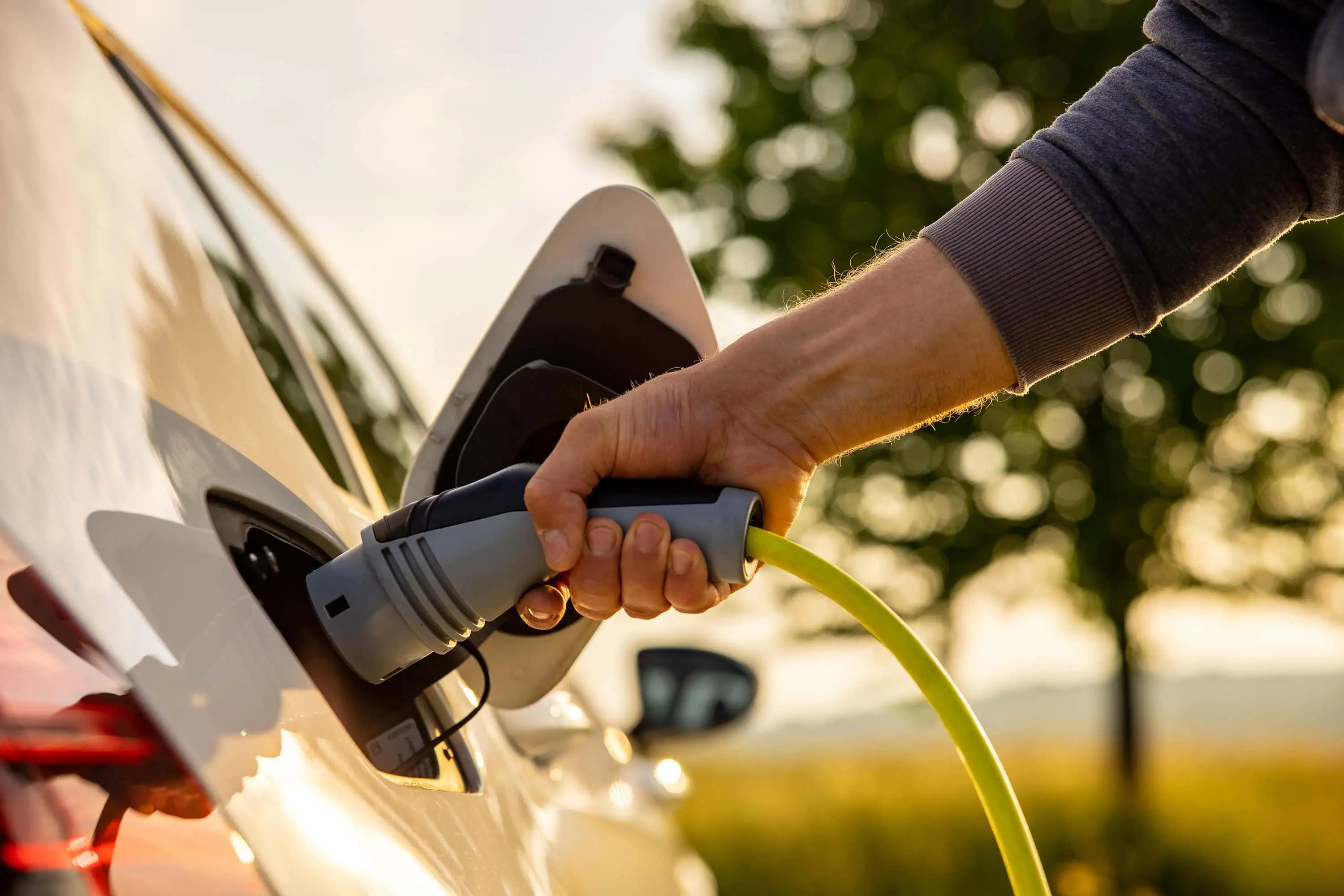
Electric vehicle insurance in Greece operates in the same basic way as for conventional gasoline or diesel vehicles, however, it also has some special coverage that responds to the specificities of electric mobility.
We cooperate with the most reliable insurance companies in the Greek and international market and carefully examine the needs of each electric car driver. Based on the characteristics of the vehicle and its use, we recommend programs that combine complete protection, specialized benefits and competitive costs.
What does electric vehicle insurance cover?
Basic coverages (mandatory):
- Third-party liability for bodily injury.
- Third-party liability for material damage.
Optional coverages:
- Roadside assistance.
- Glass breakage.
- Vehicle theft.
- Fire or damage from natural phenomena.
- Mixed coverage (own damage).
Specialized coverages for electric vehicles vehicles:
- Battery Coverage: The battery is the most expensive component of an electric car. Some insurance companies cover damage or replacement, under certain conditions.
- Cable and charger coverage: Protection in the event of damage or theft of the charger and charging cables.
- Roadside assistance due to battery depletion: Transporting the vehicle to a nearby charger in case it runs out of power.
- Fire due to overcharging: Extension of classic fire coverage to cover damage from short circuit or charging failure.
- Replacement with electric vehicle: Provision of a replacement vehicle in the event of damage.
Factors affecting the cost
Premiums are formed by:
- Driver's age.
- Years of experience behind the wheel.
- History damage (bonus-malus).
- Residential address.
- Vehicle characteristics (displacement, horsepower, commercial value).
Usually, electric vehicles have lower insurance premiums compared to their gasoline or diesel counterparts, as they are considered more ecological, are generally driven more gently and have a lower accident frequency. However, due to the high cost of repairs – especially the battery – mixed insurance often costs more.
What is needed for insurance
To take out electric vehicle insurance, you will need:
- Registration license.
- Driving license.
- Police ID or passport.
- Owner's tax ID.
- In some cases, photos of the vehicle.
Useful remarks
- It is important to check whether the insurance company provides special coverage for electric vehicles, as they are not always offered in all plans.
- Choosing a plan with battery or charging cable coverage can prove to be particularly useful and cost-effective in the long run.
- Roadside assistance for battery depletion is a benefit that ensures confidence and comfort in everyday use.
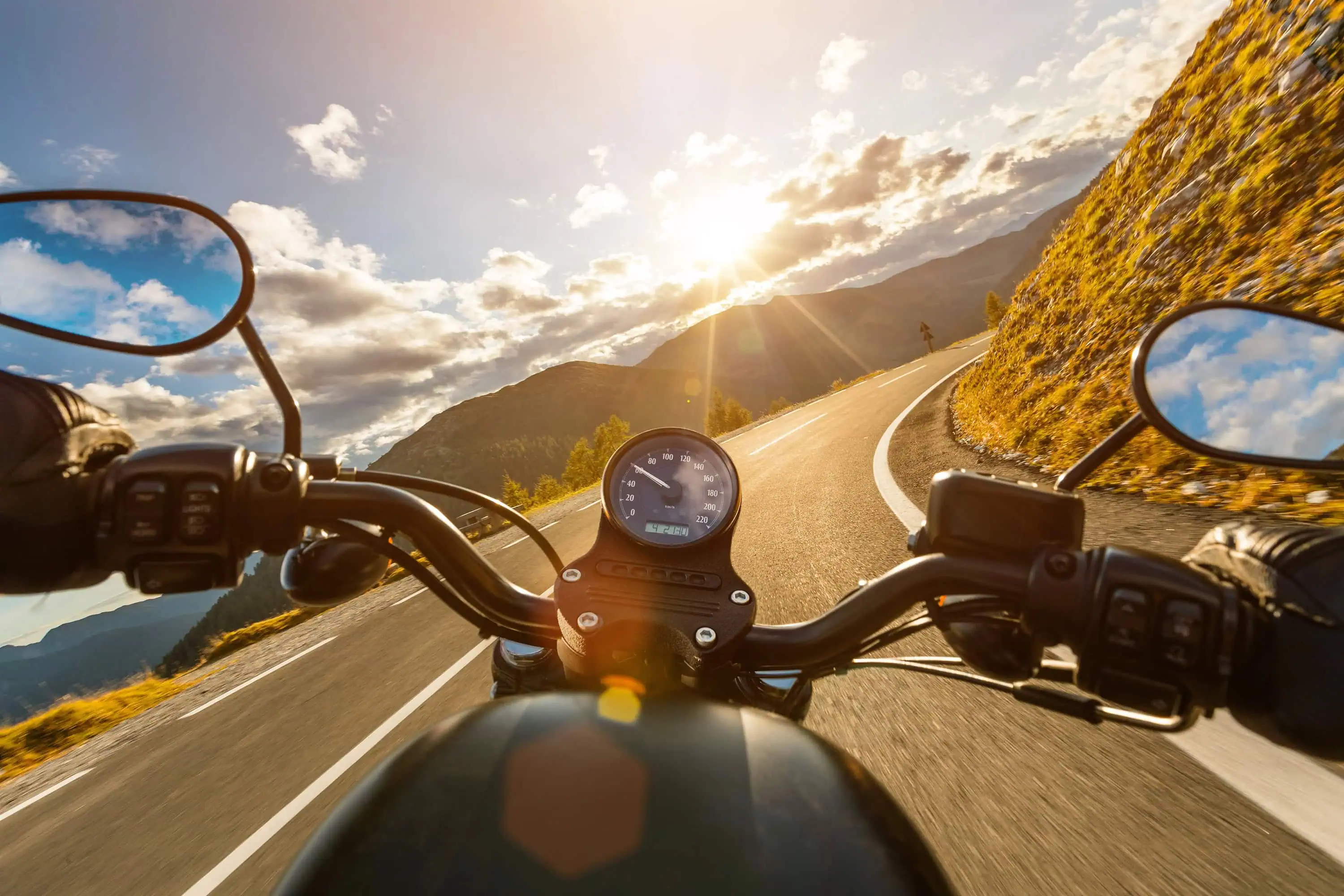
Motorcycle insurance is essential both for legal circulation and for the personal safety of the driver and third parties. Because motorcycles are a vehicle with greater exposure to risks compared to cars, insurance coverage plays an even more important role.
We collaborate with the most reliable insurance companies in Greece and abroad, and taking into account your driving habits, the type of motorcycle and your budget, we propose personalized programs that offer you peace of mind and advantageous coverage.
What does motorcycle insurance cover?
Basic coverages (mandatory):
- Third-party liability for bodily injury.
- Third-party liability for material damage.
Optional coverages:
- Roadside assistance and transportation to workshop.
- Legal protection.
- Theft coverage (partial or total).
- Fire and natural disaster coverage.
- Glass breakage (for scooters with a windshield).
- Accessory and additional equipment coverage.
Specialized coverages:
- Driver and passenger insurance for bodily injury.
- Coverage of personal belongings carried on the motorcycle.
- Motorcycle replacement in the event of an accident (in certain programs).
Factors affecting the cost
The cost of motorcycle insurance depends on by:
- The engine displacement and horsepower.
- The type (e.g. scooter, sport, on-off, touring).
- The driver's age and experience.
- The accident history (bonus-malus).
- The traffic area.
- The coverages selected.
What is needed for insurance?
To issue a motorcycle insurance policy, the following are required:
- A driver's license.
- A driver's license of the appropriate category.
- A police ID or passport.
- The owner's VAT number.
- If requested, photos of the motorcycle.
Useful notes
- Roadside assistance coverage is particularly useful for motorcycles, as it ensures immediate transportation in the event of a breakdown or accident.
- Accessory insurance (e.g. boxes, windshields, equipment) is important for those who have invested in additional equipment.
- For high-value or high-displacement motorcycles, enhanced theft and fire coverage is recommended.
Careful combination of coverages can significantly reduce costs, without reducing essential protection.
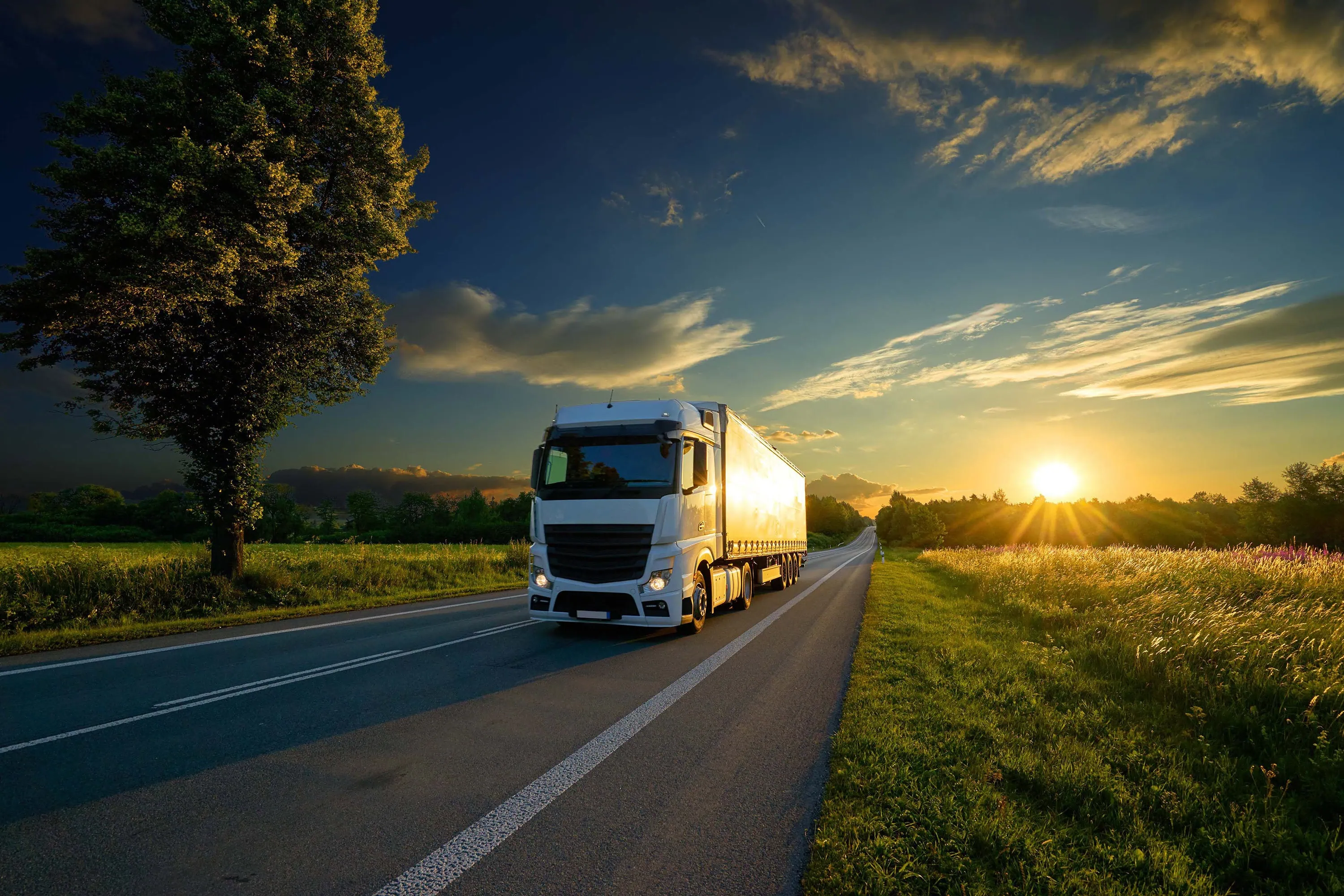
Truck insurance is essential for both legal compliance and to protect the driver, vehicle, and business. Whether it is a private truck (serving the needs of a business) or a public truck (performing transport work on behalf of third parties), insurance coverage is crucial for the safety and continuation of professional activity.
We cooperate with the most reliable insurance companies in Greece and abroad, and after analyzing your needs, we propose solutions that combine full protection, specialized coverage and competitive costs, in order to ensure the smooth operation of your business without unforeseen events.
What does truck insurance cover?
Basic coverages (mandatory):
- Third-party liability for bodily injury.
- Third-party liability for material damage.
Optional coverages:
- Roadside assistance and towing.
- Legal protection.
- Fire and natural disaster coverage (flood, hail, earthquake).
- Theft coverage (total or partial).
- Glass breakage.
- Own damage (combined insurance).
Specialized coverages for commercial vehicles:
- Insurance of transported goods (during transport).
- Coverage of equipment and accessory mechanisms (e.g. cranes, refrigerators, forklifts).
- Insurance of loss of income from immobility due to damage.
- Vehicle provision replacement.
Factors that affect the cost
The cost of truck insurance depends on:
- The type of truck (private or public use).
- The gross weight and technical characteristics.
- The purpose of use (transportation of your own products or third parties).
- The age and experience of the driver.
- The traffic area.
- The history of damage/accidents.
- The optional coverages to be selected.
What is needed for insurance
To issue a truck insurance policy, the following are required:
- Vehicle registration license.
- A driver's license of an appropriate category.
- Police ID or passport.
- Tax number of the owner or company.
- In some cases, photos of the vehicle.
Useful notes
- Insurance of public use trucks may require additional coverage, as these vehicles perform transport work for third parties.
- Coverage of transported goods is crucial for those involved in commercial transport.
- For trucks with special equipment (refrigerators, cranes, forklifts), it is important to include coverage for accessory machinery.
- The right combination of coverage ensures not only protection of the vehicle but also of the business activity itself.
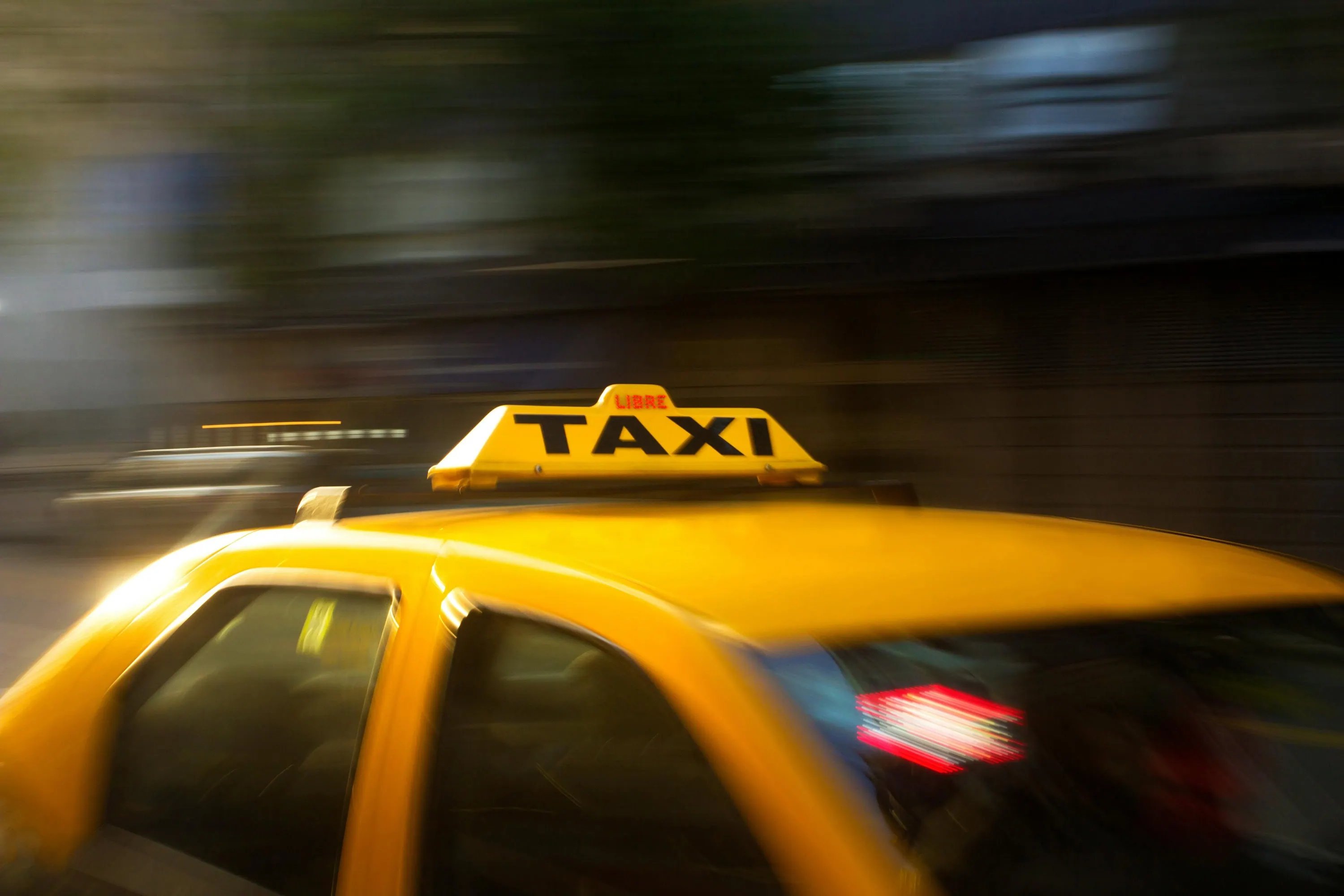
Taxi insurance is a particularly important insurance category, as it concerns vehicles that are used daily to transport passengers and are exposed to increased risks due to their constant traffic. In addition to mandatory coverage, taxi drivers need additional specialized benefits that ensure the smooth continuation of their professional activity.
What does taxi insurance cover?
Basic coverages (mandatory):
- Third-party liability for bodily injury.
- Third-party liability for material damage.
- Passenger coverage in the event of an accident.
Optional coverages:
- Roadside assistance and towing.
- Legal protection.
- Fire and natural disaster coverage.
- Theft coverage (total or partial).
- Breakage glass.
- Mixed insurance (own damage).
Specialized coverage for taxis:
- Coverage of loss of income due to immobility of the vehicle.
- Provision of a replacement vehicle in the event of an accident.
- Coverage of special taxi equipment (e.g. taximeter, signs).
- Protection against malicious acts or vandalism.
Factors affecting the cost
The cost of taxi insurance depends on:
- The type and value of the vehicle.
- The number and age of drivers.
- The experience of drivers and the history of damage.
- The traffic area (urban or interurban routes).
- The selected optional and specialized coverages.
What is needed for insurance
To insure a taxi, the following are required:
- Registration license.
- Professional driver's license.
- Police ID or passport.
- Tax number of the owner/company.
- In some cases, photos of the vehicle.
Useful remarks
- The correct choice of coverage protects not only the vehicle but also the income of the professional driver.
- Income loss coverage and the provision of a replacement vehicle are particularly useful, as a taxi cannot be out of service for a long period of time.
- The cost of mixed insurance may be higher, but it offers significant protection especially on new or high-value vehicles.
- Consistency in payments and careful driving contribute to reduced premiums with the bonus-malus system.
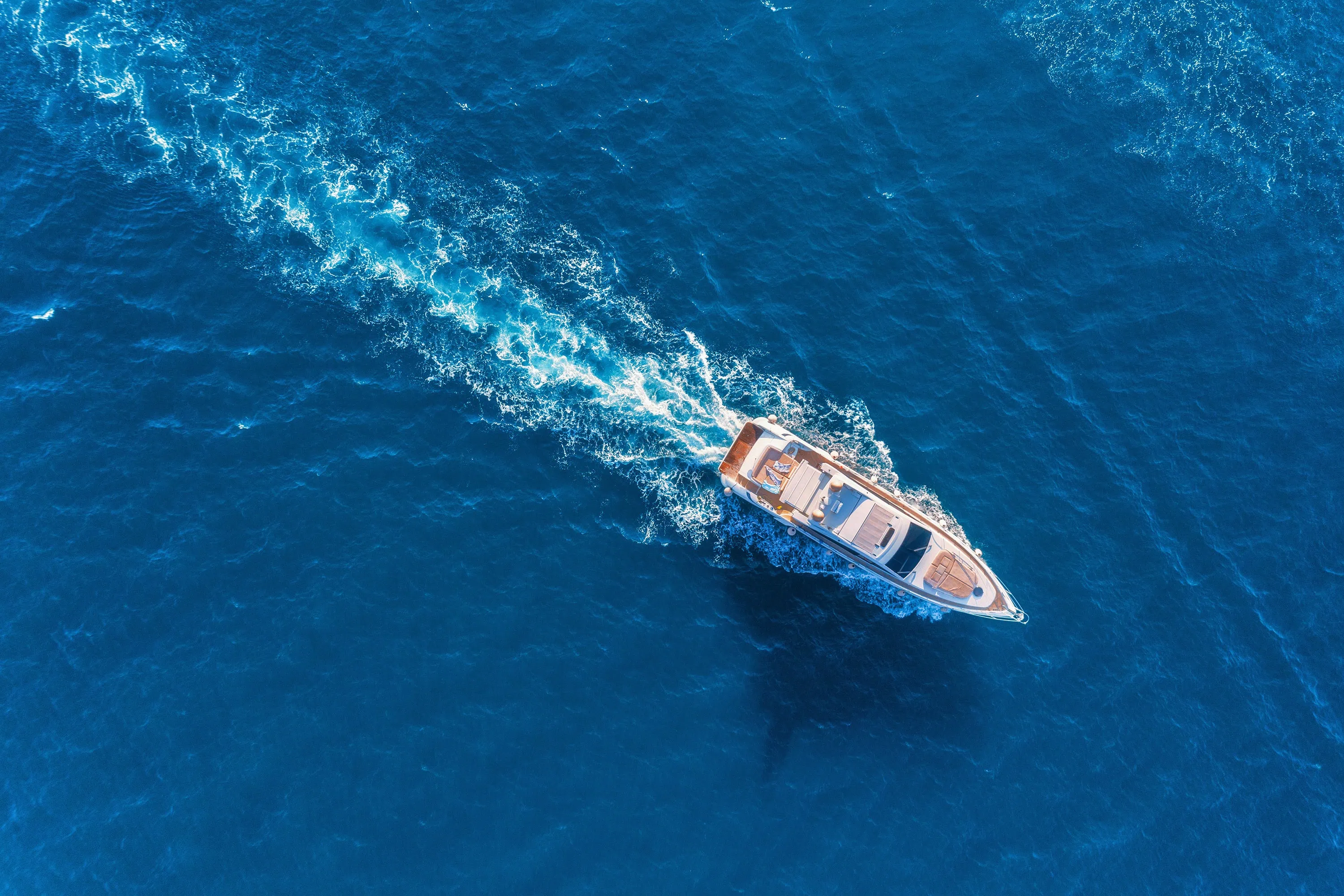
Boat insurance is essential for all owners of watercraft, whether they are private pleasure boats or professional ones. The sea, although it offers freedom and unique experiences, also hides dangers, which is why proper insurance coverage is a necessary condition for the protection of the boat, the captain, the passengers and third parties.
We cooperate with the most reliable insurance companies in the Greek and international market. We examine the needs of each boat owner individually and propose programs that ensure comprehensive coverage at an attractive cost, so that you can enjoy your sea excursions without worries.
What does boat insurance cover?
Basic coverages (mandatory):
- Third-party liability for bodily injury.
- Third-party liability for material damage to third parties.
- Third-party liability for causing marine pollution.
Optional coverages:
- Theft of boat or equipment.
- Damage from fire, explosion or natural phenomena.
- Damage from impact, collision or sinking.
- Road/marine assistance and towing.
- Coverage of personal belongings of passengers.
- Legal protection.
Specialized coverages for boats:
- Mechanical engine or equipment damage.
- Tender coverage.
- Navigation equipment insurance (GPS, wireless).
- Coverage for accidents of passengers on board.
- Loss of income on commercial boats (e.g. rental).
Factors affecting the cost
The premium for boat insurance depends on:
- The type and size of the boat (inflatable, sailing, motorized, professional).
- The value of the vessel and equipment.
- Its use (private or professional).
- The sailing area (inland waters, coastal shipping, international waters).
- The owner's damage history.
- The optional and specialized coverages to be selected.
What is needed for insurance
To insure a vessel, the following are usually required:
- Vessel registration/license.
- Seaworthiness certificates (if required, especially for professional/larger vessels)
- Owner details (Tax number, identity card, address).
- Vessel details (type, brand, length, horsepower, value, year of construction, vessel/registration number).
- In some cases, photos of the vessel and equipment.
- Speedboat operator's license (if the vessel is a speedboat and required)
Useful notes
- Boat insurance is mandatory by law for all motorized pleasure and commercial vessels.
- Fire and natural disaster coverage are particularly important for vessels that remain permanently in a port or marina.
- In the case of trips outside Greece, coverage for international waters is required.
- The right combination of coverage protects not only the investment the owner but also the safety of the passengers.

The bicycle is now one of the most popular means of transportation and exercise in Greece, as it combines ecological transportation, saving money and improving health. However, like any means of transportation, it is accompanied by risks such as accidents, theft or damage. Bicycle insurance comes to meet these needs, offering the cyclist safety and security.
What does bicycle insurance cover?
Basic coverages:
- Third-party liability: compensation in the event of an accident causing bodily injury or material damage.
- Theft: coverage in the event of the bicycle being stolen from an outdoor area or warehouse, under certain conditions.
- Rider accident: medical expenses or compensation due to injury from an accident.
Optional coverages:
- Equipment coverage: damage or loss of accessories (e.g. helmet, GPS, lights, child seat seat).
- Roadside assistance: in case of breakdown or accident, transport of the bike and rider.
- Coverage abroad: protection when using the bike in other countries.
Specialized coverages:
- Competitive use: coverage for participation in cycling competitions.
- Electric bicycle (e-bike) coverage: protection for battery and electrical components, which often have a high replacement cost.
Factors affecting the cost
- The value of the bike and its equipment.
- The type of bike (urban, racing, mountain bike, electric).
- The age and profile of the rider.
- The history of damage or theft.
- The coverages to be selected.
What is needed for insurance
- Proof of purchase or a document proving the value of the bicycle.
- Owner details (ID, VAT number).
- Photos of the bicycle.
- In some cases, serial number of the frame.
What to look out for:
- If theft is only covered from a closed area or in a public place
- If there is an exemption (e.g. participation in damages)
- If the insurance is valid abroad (useful for travel)
- If there is a limitation age of the bike (e.g. < 5 years)
Useful notes
- Bike insurance offers particular peace of mind to owners of expensive bikes or e-bikes.
- Civil liability is important, as even a small accident can cause major financial burdens.
- Choosing plans that include roadside assistance ensures that you will not be left exposed in the event of a breakdown or traffic incident.
- Our company is by your side to propose the most advantageous solution, tailored to your real needs.